


Most Loved by Customers
-
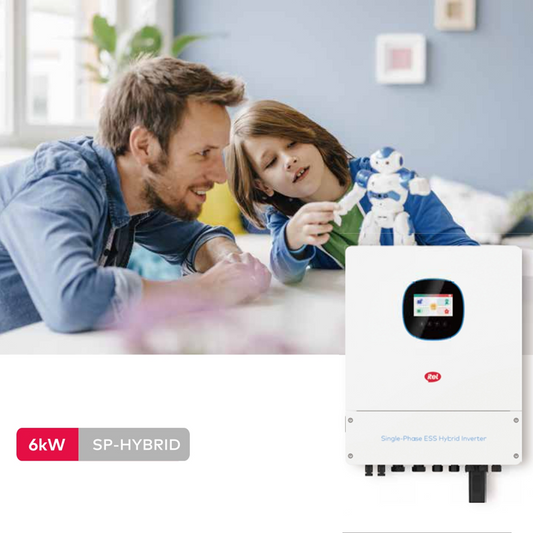
IHY‑6KL1A itel 6kW IP66 Hybrid Solar Inverter
Regular price Rs.197,000.00 PKRRegular priceRs.210,000.00 PKRSale price Rs.197,000.00 PKRSale -
IP66-rated 6.6 kW Hybrid itel Inverter
Regular price Rs.212,000.00 PKRRegular priceRs.225,000.00 PKRSale price Rs.212,000.00 PKRSale -
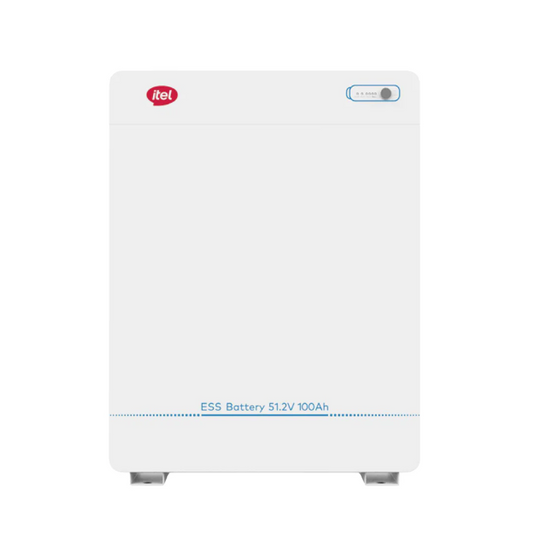
IPL-51100 Itel LiFePO₄ Lithium Battery 51.2V 100Ah – 5.12kWh - IP20
Regular price Rs.210,000.00 PKRRegular priceRs.225,000.00 PKRSale price Rs.210,000.00 PKRSale -
IPV-4K24U Pro itel Inverter 4kW 24V SP Hybrid
Regular price Rs.116,000.00 PKRRegular priceRs.125,000.00 PKRSale price Rs.116,000.00 PKRSale




Why Switching to Solar with Solar Cart is a Smart Move
Switching to solar means getting smart with your energy — and your wallet. While bills go up, your solar gear soaks up free sunshine, saving you money nonstop. Plus, saving the planet? That's a win-win.

Reduced Carbon Footprint
By harnessing solar energy, you significantly lower your greenhouse gas emissions, contributing to a cleaner and more sustainable environment.

Reduced Electricity Bill
Generating your own power through solar reduces reliance on the grid, leading to substantial savings on monthly electricity expenses.

Low Maintenance
Solarcart solar systems are built for durability and require minimal maintenance, ensuring long-term, hassle-free performance.

Easy Installation
Installing solar with Solarcart is a simple and well-managed process. Our skilled team takes care of everything, delivering quick and reliable setup with added support throughout.

Easy Financing with Solarcart
Solarcart strong reputation ensures you get the advantage of easy financing solutions for your solar energy system.

Clean Energy
As a reliable and clean energy source, solar power plays a vital role in advancing global sustainability and energy independence.


35-Year Legacy

Premium Quality Products

Factory-Direct Supply

Manufacturing in Pakistan

5.4 GW Solar Cell Capacity

Rooftop Space Availability
Ensure you have sufficient, shadow-free space for solar panel installation. A 1 kW system typically requires 80–100 sq. ft. of usable rooftop space.

Sunlight Exposure
Your rooftop should get at least 4–6 hours of direct sunlight daily for optimal efficiency. Avoid obstructions like trees, water tanks, or high-rise shadows.

Load Assessment
Review your electricity bills to understand your average monthly consumption. Helps in determining the correct solar system capacity (in kW).

Structural Strength
Roof should be strong enough to bear the weight of solar panels and mounting structures. Flat or slightly sloped RCC rooftops are ideal.

Grid Connection & Net Metering
Check with your local DISCOM (distribution company) for grid connectivity rules. Apply for net metering to track energy usage and excess power sent to the grid.

Budget & Financing
Solar systems are a long-term investment. Assess costs and available subsidies. Explore government schemes, loans, or EMI options to make it affordable.

Inverter & Battery Selection (if applicable)
Choose the right inverter based on system size and type (on-grid, off-grid, hybrid). Batteries are required for off-grid systems or backup needs.
What our customers say
Don't just take our word for it